What Is a Yoga Clock? (And Why It Might Replace Your Alarm)
Let me describe something that probably sounds made up.
You set a time. Your phone knows when you need to wake up. But instead of firing an alarm at full volume and jolting you out of sleep, it gently begins playing a voice. A calm one. The voice guides you through a few minutes of breathing and slow movement, right there in your bed, before you've even opened your eyes properly. By the time the ritual ends, you're actually awake. Not startled. Not groggy. Awake, and already, quietly, on your own side.
That's a yoga clock. And I built one.
A yoga clock replaces your alarm sound with a gentle in-bed ritual: breath, soft movement, and a quiet intention before your feet hit the floor. Yoga Wake Up is the first yoga clock, and it's nothing like a buzzer. Your first ritual is free: Download App.
What's a Yoga Clock, Exactly?
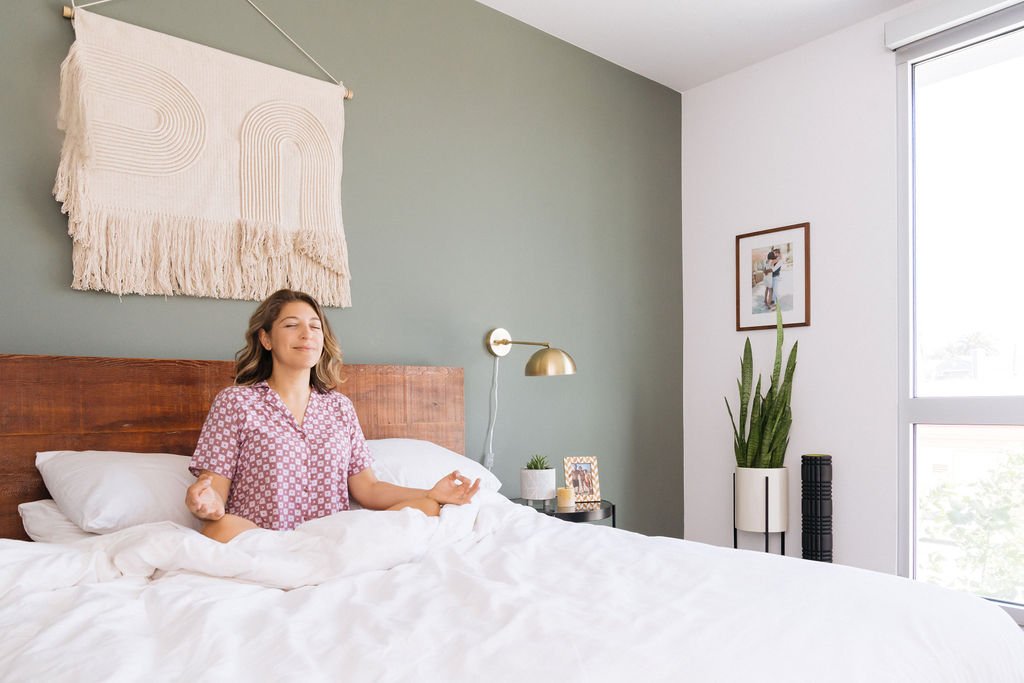
A yoga clock is an alarm that replaces sound with breath, movement, and intention. Instead of a noise that yanks you from sleep, a yoga clock begins a gentle guided ritual at your chosen wake time. The ritual is your alarm. By the time it ends, your body has woken itself up from the inside.
The concept sounds simple because it is. But the reasoning behind it took me a while to understand properly.
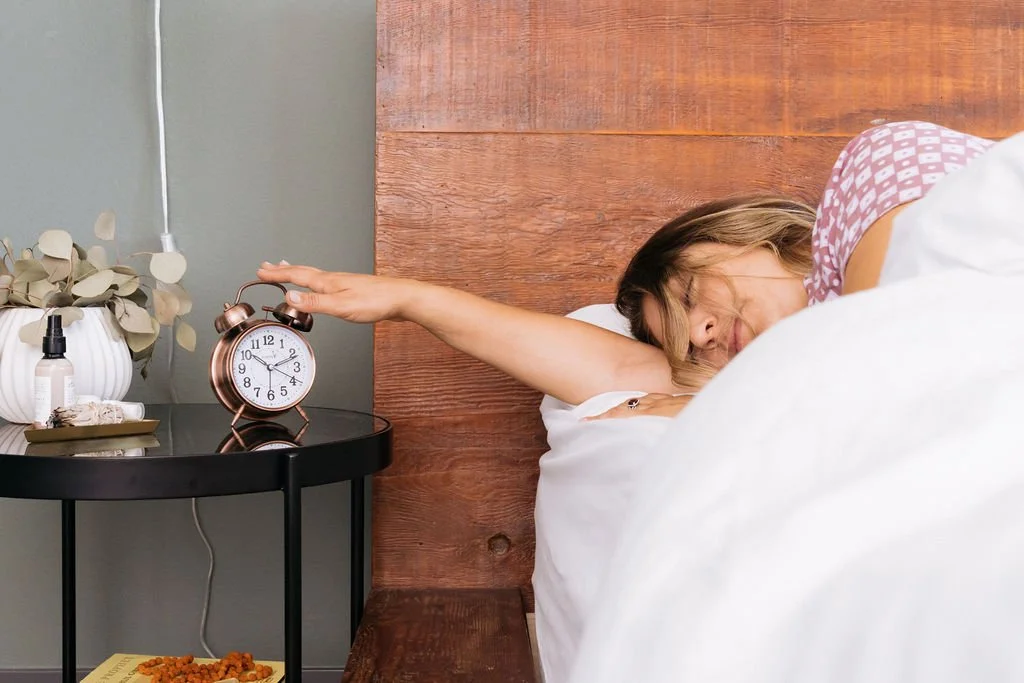
Most alarms work by triggering a stress response. Your cortisol spikes. Your heart rate jumps. Your nervous system switches into high alert. That's how you get out of bed, but it's also how you start the day already tense before anything has even happened. Anyone who has snapped at someone before 8am has probably experienced this.
A yoga clock works differently. Instead of a shock, you get a signal. Slow breath. Gentle movement. A quiet moment that belongs entirely to you. Your body wakes up the way it's actually designed to, incrementally, on its own terms, rather than all at once. And you meet the day from a slightly kinder place.
Why I Built One
I'm an engineer. My instinct when I see a broken system is to ask: why is it designed this way, and what would a better design look like?
The alarm clock, as it exists today, hasn't meaningfully changed since the 1800s. The mechanism is the same: a loud sound at a fixed time, with the implicit message of get up now or face consequences. Every modern version, phone alarm included, is a variation of this. Some are louder. Some let you pick a song. The underlying logic is identical.
I started thinking seriously about this because of Lizzie, my wife and the CEO of Yoga Wake Up. She is a devoted snoozer. Six alarms, minimum. The guilt of sleeping through them, then the fog of having half-woken six times, then the rush to catch up on the morning she'd lost. It wasn't laziness. It was that the alarm gave her no reason to actually want to get up. It just made being in bed unpleasant.
I thought: what if the first thing she heard in the morning was something warm? What if waking up and doing something kind for herself were the same action? What if the morning could start with a soft self-hug, a quiet moment of intention, rather than a demand?
That question is where Yoga Wake Up came from. The yoga clock is the answer.
How It Works
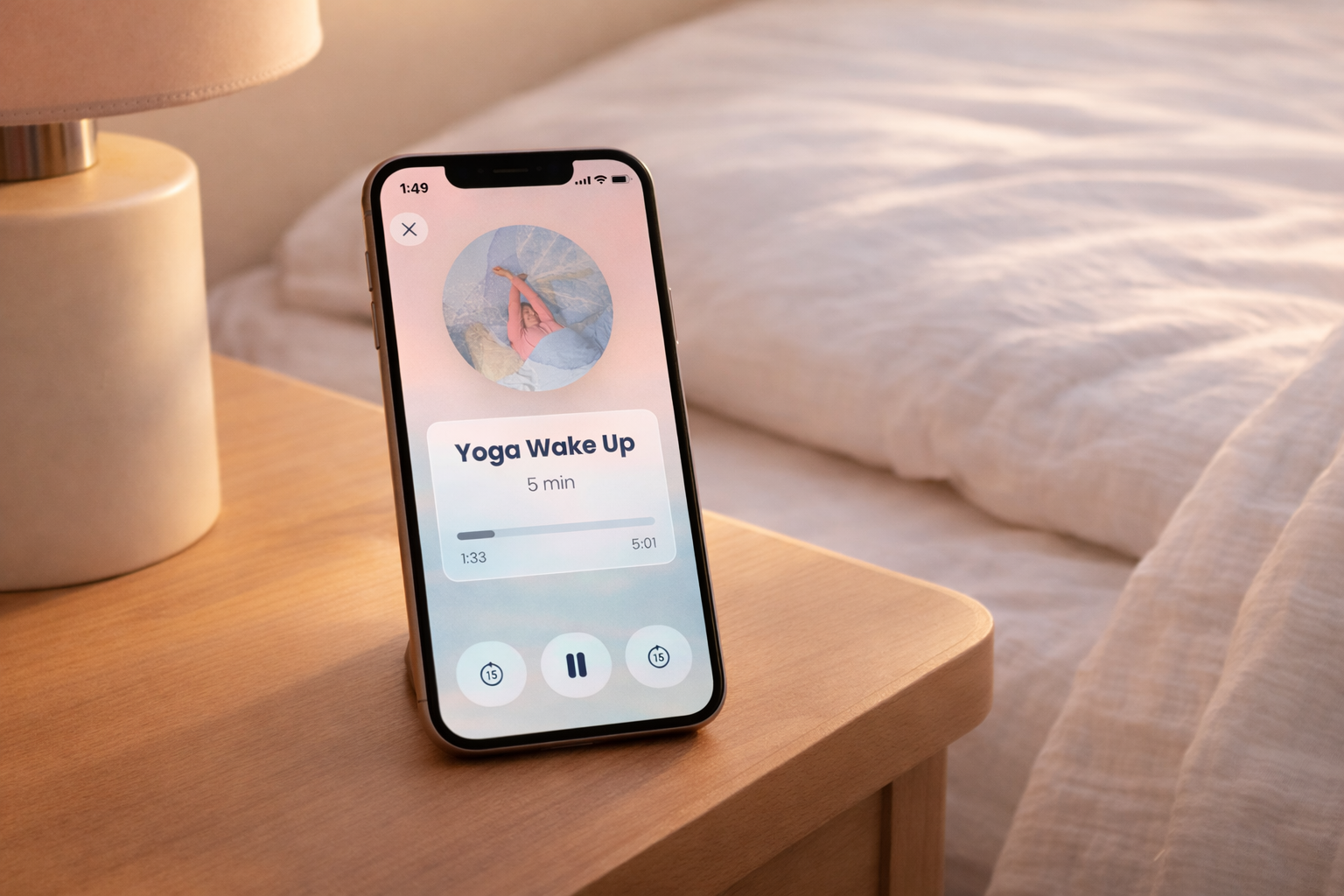
Yoga Wake Up is a gentle wake-up ritual delivered through your phone. You choose a practice from a library of audio-guided recordings, set a wake time, and go to sleep. When your alarm time arrives, the ritual begins playing automatically.
The practices are designed specifically for this moment. They start with breath because you've just been asleep and your body needs gentleness, not urgency. They don't ask you to stand up, roll out a mat, or do anything that resembles a workout. You do them in bed. A typical ritual runs 5 to 15 minutes. It might be breathwork, a soft body scan, gentle movement, a few spoken intentions set before your feet hit the floor. The point isn't to train your body. The point is to ease you in, to let the morning begin from a place of quiet and intention rather than cortisol and noise.

The in-bed format is deliberate. Removing the friction of getting up and setting up a separate practice means the barrier to doing it every day is almost zero. You're already lying there. You just follow along.
What Waking Up Differently Actually Does to Your Body
There's a phenomenon called the Cortisol Awakening Response, or CAR. In the 20 to 30 minutes after waking, cortisol levels naturally rise significantly. This is your body mobilizing resources for the day ahead, and in small doses it's healthy and necessary.
The problem is that a jarring alarm amplifies this spike. You go from deep sleep to high alert in seconds. Your nervous system doesn't distinguish between an alarm and a threat. It responds the same way. The result is that many people start the day already in a low-level stress state, before work, before email, before anything external has happened.
Gentle breath and movement activate the parasympathetic nervous system, the counterbalance to that stress response. Not suppressing the morning cortisol rise, which your body needs, but giving it a smoother on-ramp. You're not numbing the morning. You're meeting it with something other than panic.
I'm an engineer, not a neuroscientist. But I've read enough to feel confident the design philosophy behind Yoga Wake Up is grounded in something real. And I've watched enough people tell us it changed their mornings to stop doubting it.
Is a Yoga Clock Right for You?
Honestly, it depends on how you wake up now.
If you're someone who snoozes repeatedly, starts the day groggy, or finds that the first ten minutes set a tone that's hard to shake, a yoga clock is probably worth trying. The in-bed format means the only thing you have to do is not turn it off. Most people find that once the voice starts, the choice is already made.
If you're a one-alarm-and-up person who's never had a fraught relationship with mornings, you may not feel the difference as dramatically. You might still enjoy it. But the people who tell us Yoga Wake Up changed their lives are almost always the ones who were struggling before.
One practical note: if you need a hard backup alarm for something time-critical, set one. The yoga clock is designed to be the alarm you look forward to, not the one you dread.
Your first ritual is free. Try it tomorrow morning.